 Monobuilt Editorial Teams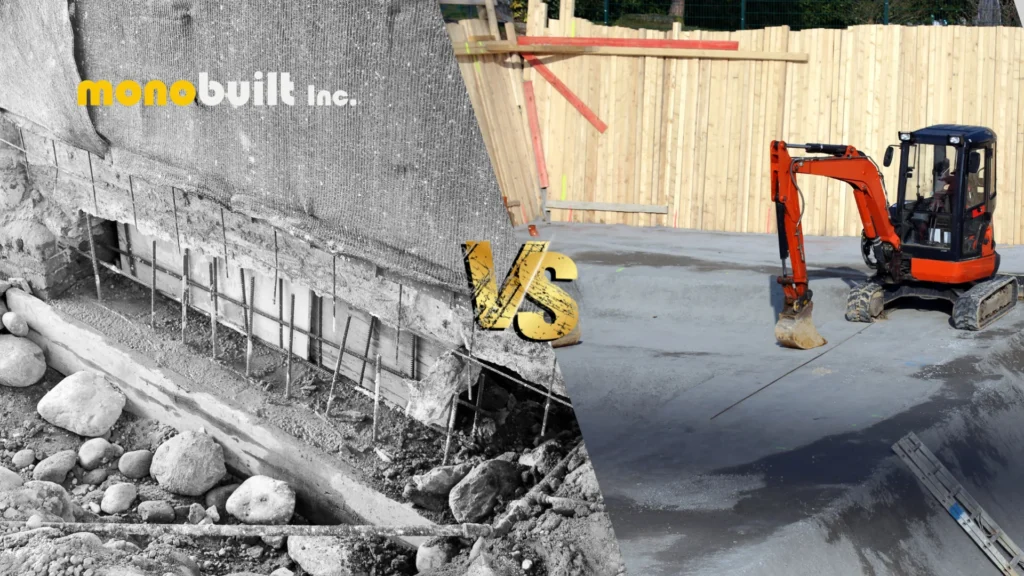
Table of contents
- What Is Basement Underpinning?
- What Is Basement Excavation?
- Basement Underpinning vs. Basement Excavation: Key Differences
- Can Underpinning Make Your Basement Deeper?
- When Does Your Basement Project Need Underpinning or Excavation?
- What Factors Affect Basement Underpinning or Excavation?
- Choosing Between Basement Underpinning and Excavation
- Basement Underpinning and Excavation for Toronto Homes
- Make the Right Choice for Your Basement
- Basement Underpinning and Excavation Toronto: FAQs
Imagine finally having enough room to move around in your basement without feeling like the ceiling is right on top of you. A roomy basement can be a real game-changer for homeowners, and lowering the floor to create more space can make a basement a lot more useful. But before you start digging, you need to think about your home’s foundation.
“Lowering a basement floor isn’t just a matter of digging out a bit of dirt,” you see. Your home’s foundation needs to stay safe and sound while you’re working on it.
This is where basement underpinning and basement excavation come in — two processes that are often part of a basement lowering project, but are definitely not the same thing. Underpinning is about giving your existing foundation a bit more support right from the start, while excavation is about removing soil to create the extra depth you need.
If you’re planning some basement renovations in Toronto, knowing the difference between these two processes can really help you choose the right path for your home. This guide is here to walk you through the ins and outs of basement underpinning and excavation in Toronto, so you know what to look for.
What Is Basement Underpinning?
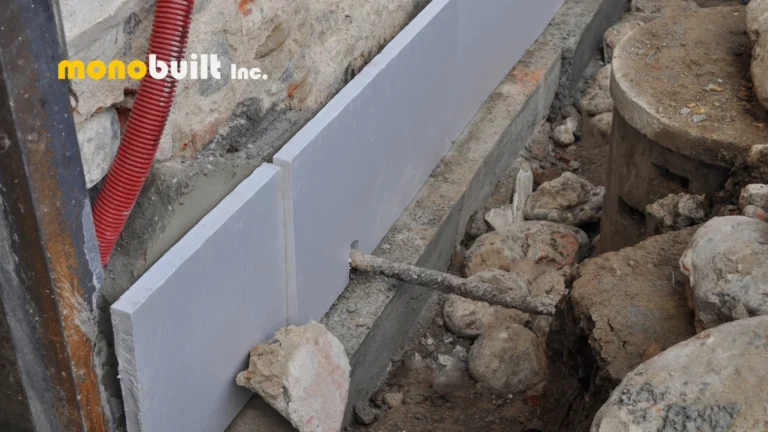
Basement underpinning is a way to give your existing foundation a bit of extra support at depth. This is exactly the ticket when you want to lower the basement floor and get more room in your home.
During the actual work, new support is installed below the existing foundation footings, usually in small sections so the foundation walls and the rest of the house stay stable. This helps prevent the foundation from taking a nosedive while the basement level is being lowered.
A structural engineer can take a look at your foundation and help you figure out the best underpinning method for the job. The plan will also depend on what kind of soil is down there beneath your home. When it comes to underpinning in Toronto, proper planning and careful structural support are key to safe basement work.
What Is Basement Excavation?
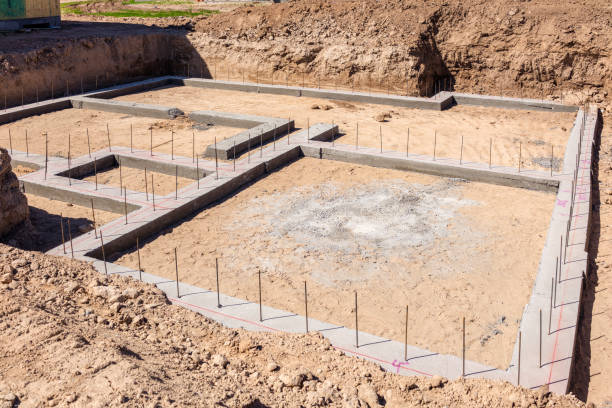
Basement excavation means digging out some of the dirt from below or around your basement to make more space. This is often the ticket when you want to lower the floor or create a deeper basement.
The amount of dirt that gets hauled away depends on just how much extra depth your project needs. Excavation work needs to be done with care — you have to be careful not to damage the existing foundation, foundation walls, or footings. And let’s not forget the soil conditions can be different from one property to the next, and then there’s groundwater to deal with.
A good contractor will know just how to remove the soil safely. They’ll use the right tools for the job and follow the project plan to the letter. And if the work could affect the structure of the house, a structural engineer may need to come in and check the foundation before the digging starts.
In Toronto, basement excavation projects need a solid plan from the get-go, especially if you’re working close to an existing home.
Basement Underpinning vs. Basement Excavation: Key Differences
While underpinning and excavation are not one and the same, they are often used together in a basement lowering project. Underpinning is about giving your foundation the support it needs, while excavation is about removing enough dirt to create the extra space you need. So there you have it — two processes that work together to create a more useful, and roomy, basement.
| Point | Basement Underpinning | Basement Excavation |
|---|---|---|
| Main purpose | Gives deeper support to the existing foundation | Removes soil to make the basement deeper |
| Main work | Adds support below the existing foundation footings | Removes soil from below or around the basement |
| Existing foundation | Works directly with the existing foundation | Soil is removed while taking care around the existing foundation |
| Foundation footings | New support is added below the footings | Footings may need protection during excavation |
| Basement floor | Can allow the basement floor to be lowered safely | Removes soil to reach the new basement floor level |
| Structural support | A key part of the work | Depends on how close the work is to the existing structure |
| Soil removal | May be needed as part of the project | A main part of the work |
| Excavation depth | Based on the depth needed for new foundation support | Based on the new basement floor level |
| Structural engineer | Often involved in planning the work | May be needed when excavation can affect the structure |
| Soil conditions | Can affect the underpinning method | Can affect how soil is removed and supported |
| Groundwater | May need to be considered during the work | Can be a major concern during excavation |
| Toronto projects | Used in basement underpinning Toronto projects | Used in basement excavation Toronto projects |
The simple truth is — underpinning and excavation are fundamentally different approaches to get the job done: underpinning provides more solid foundation support, while excavation literally removes the soil to give you the space you need.
Can Underpinning Make Your Basement Deeper?
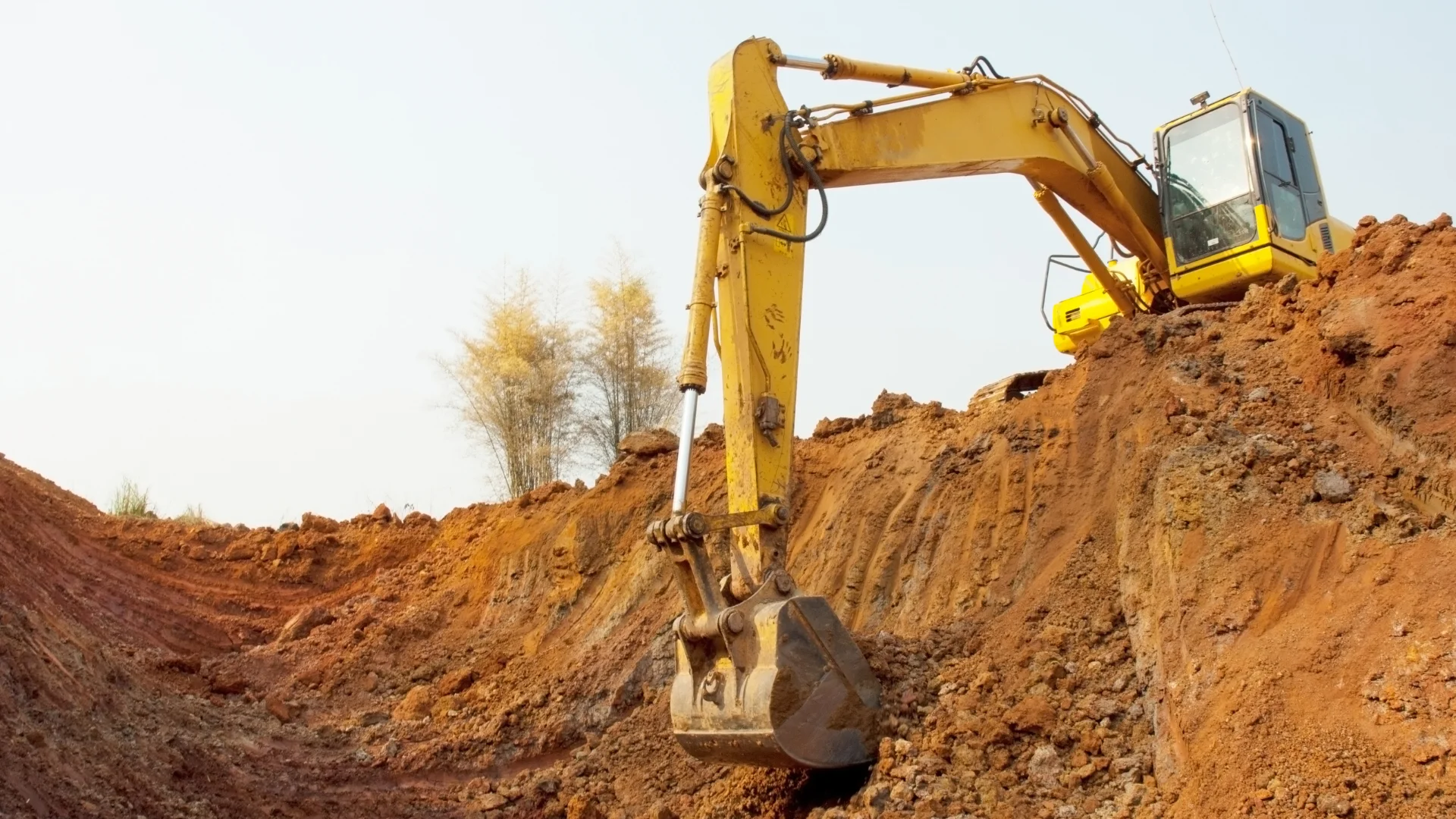
Of course, underpinning can indeed help deepen your basement to a degree. It strengthens your existing foundation, which then lets you lower the basement floor and gain some much-needed extra headroom.
Just how much extra depth you’ll be able to gain ultimately depends on the specifics of your existing foundation, the soil conditions, and what your project actually entails. A structural engineer will take a close look at the foundation and help figure out just how deep a basement you can safely build.
When Does Your Basement Project Need Underpinning or Excavation?
It all comes down to what you want to achieve in your basement and how your existing foundation is laid out. Some projects need nothing but underpinning, while others are mostly about excavation. In some cases, both will be part of the same basement project.
When Is Basement Underpinning Needed?
You’ll need basement underpinning if you want to lower the basement floor but the existing foundation just doesn’t have the support it needs — or if the foundation footings need to be extended to go down further.
When you’re choosing the right approach, your existing foundation, soil conditions, and basement depth all matter a lot. A structural engineer can sort out these details and help set out a solid plan for your project.
When Is Basement Excavation Needed?
The thing is, basement excavation is what you need when you just need to clear out some soil to give yourself more space, or reach a lower basement level. The amount of soil that needs to be hauled away will depend on how deep you want to go and what the new floor level is.
Excavation can also be part of a larger foundation excavation or other basement work — but you have to be careful when you’re working close to your home, especially around the existing foundation and walls.
What Factors Affect Basement Underpinning or Excavation?
Every basement project is unique — the work you need can depend on your home, the ground around it, and just how deep you want your basement to be. A few key things will affect the work needed for underpinning or excavation, or both.
Existing Foundation
The state of your existing foundation can make a big difference — so too can the soil around your home and how you’re going to dig.
Soil Conditions
Some soil types are pretty tricky to work with, and you may need to employ different techniques to deal with them.
Groundwater
Groundwater can also make things a lot trickier — if you’re digging, you’ll probably need to keep an eye on the water levels to keep the work area safe and dry.
Excavation Depth
How deep you want your basement to be also matters a fair bit — a deeper basement will need more soil to be removed, and more work around the existing foundation.
Structural Support
When you’re doing any basement work, it can all have an impact on the structure of your home. A structural engineer is the best person to review the project and advise on the support you’ll need before any work starts.
Choosing Between Basement Underpinning and Excavation
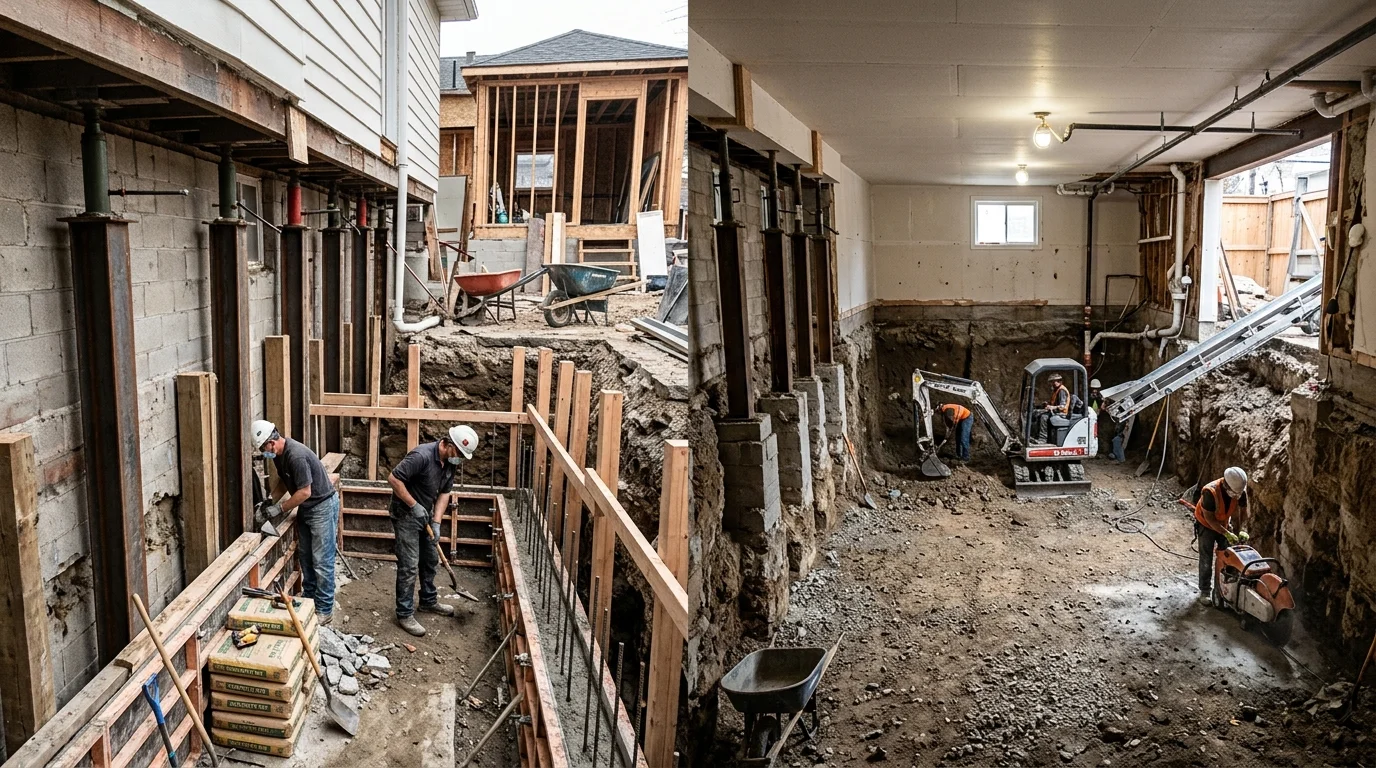
At the end of the day, choosing between underpinning or excavation comes down to what you want to achieve and what state your home is in. They’re both different beasts, so one might be a better fit for your project than the other.
When Underpinning Makes Sense
Underpinning can make a lot of sense when you need to lower your basement floor and the existing foundation isn’t getting the support it needs. It helps keep that foundation safe while you squeeze a bit more headroom into your basement.
When Excavation Makes Sense
Excavation makes sense when you want to dig deep and get more space or lower your basement to a whole new level. It just depends on how deep you’re planning to dig and what your basement layout is like.
Can You Need Both?
Some basement projects might need a combo of underpinning and excavation. Excavation’s all about getting rid of the soil, whereas underpinning is about giving that foundation the deeper support it needs to stay stable. Which one gets used on your home depends on the project you’ve got in mind and the state of your property.
Basement Underpinning and Excavation for Toronto Homes
Doing some basement work in Toronto can be a little trickier than in some other places. Lots of old foundations around here, and every house is built on its own unique soil conditions. So before you even get started on basement lowering work, you really need to take a look at your home.
You’ve got to check the foundation, foundation walls, and the foundation footings before the work commences. And then there’s the soil and the groundwater to think about — both can affect how you plan the project and how all that soil gets removed.
A local contractor will be able to come take a look at your basement and help you figure out what needs to be done. If you’re on the lookout for basement underpinning Toronto or basement excavation Toronto, look for a contractor who’s done a lot of work on older homes and foundations in this area.
Planning ahead will help you avoid any problems that can pop up during the project, and keep everything on track.
Make the Right Choice for Your Basement
Lowering your basement is a big undertaking, so it’s handy to know what your home needs before you even get started. Underpinning and excavation are two different approaches, and some projects may need both. Foundation, soil, groundwater, and planned basement depth all play a role in how you decide what to do.
At Monobuilt, we help homeowners all across Toronto and the GTA with basement excavation and foundation work. Our team can take a look at your project and help you figure out the best way to go.
If you are thinking of getting basement underpinning done in Toronto or basement excavation Toronto, contact Monobuilt today to get a free quote and sit down with our team to go over your project.
Basement Underpinning and Excavation Toronto: FAQs
-
Is basement underpinning the same as basement excavation?
No, basement underpinning and excavation are definitely two different types of work. Underpinning is all about giving an existing foundation some much-needed extra support at depth. Excavation is more about removing soil so you can create space or reach a lower level. Some basement projects need a bit of both — it all depends on your foundation, soil conditions, what depth you’re aiming for, and what you want to achieve.
-
Does underpinning make your basement deeper?
Yes, underpinning can definitely help you lower your basement floor and get some extra headroom. It gives the foundation the support it needs so you can drop the floor safely. As for how much deeper you can go, it depends on your foundation, the footings, the soil conditions, and your project plan. It’s best to get a structural engineer to review your home and figure out the right depth for the job.
-
Can you excavate under an existing basement?
Yes, excavation under an existing basement is a possibility, but it’s got to be done with care. Soil removal can really affect the existing foundation, the foundation walls, and footings if it’s not done just right, and the people you hire need to know what they are doing. You’ll need to think about how deep you want to dig, what kind of soil you are dealing with, and whether there’s a lot of water in the ground underneath. A structural engineer and a qualified contractor can help figure out the safest way to get the work done.
-
When do you need basement underpinning?
Basement underpinning is often needed when you want to lower your basement floor and the foundation needs a bit more support to stay stable. It’s also worth considering if your foundation footings need to reach a lower level. Your existing foundation, soil conditions, and planned depth all play into the decision. A structural engineer can take a look at your property and set the right plan.
-
How does basement excavation work?
Basement excavation involves getting rid of some soil to make room for a bigger basement or to lower it to a different level. The contractor first maps out how they’ll do it based on where your foundation is and how deep they need to dig. They then carefully remove the soil, working to protect your foundation walls and footings from any damage. And if there’s water involved, they’ll need to figure out a way to manage that too, depending on the conditions.
-
Do you need a building permit for basement underpinning?
Basement underpinning can be a pretty big deal, and you may need a building permit before you can start. Whether or not you need one depends on your project and the local rules, but you’ll probably need a structural engineer to give you a plan before you can even begin. It’s a good idea to check with the local authorities to figure out what permits you’ll need and make sure you get all the necessary approvals before starting the job.
-
Can basement underpinning and excavation be done together?
Yes, it’s possible to need both excavation and underpinning for a basement project. Excavation takes care of giving you the space and depth you need by removing soil, while underpinning provides the extra support your foundation needs. In certain situations, using both can be a good strategy. As with everything else, it depends on your home, your foundation, the kind of soil you have, the water you’re dealing with, and just how deep you need to go.

Monobuilt Editorial Teams
The Monobuilt Editorial Team creates clear, reliable content about excavation and construction projects across Toronto and the GTA. Our articles are based on industry experience and reviewed by excavation professionals to help homeowners, builders, and contractors make informed decisions about site preparation, foundation excavation, grading, trenching, demolition, and heavy equipment services.