 Monobuilt Editorial Teams
Table of contents
- What Is Basement Underpinning in Newmarket?
- Why Do Homeowners Choose Basement Underpinning?
- Can You Make an Existing Basement Deeper?
- When Do You Need Basement Underpinning?
- Basement Underpinning vs. Basement Floor Lowering
- How Does Basement Underpinning Work?
- What Factors Affect Basement Underpinning in Newmarket?
- How to Choose the Right Basement Underpinning Contractor in Newmarket?
- Common Mistakes Homeowners Should Avoid
- Is Basement Underpinning Right for Your Newmarket Home?
- Start Your Newmarket Basement Project With a Clear Plan
- Basement Underpinning in Newmarket: FAQs
A basement with a low ceiling can leave you with a whole lotta space you can’t really use effectively. If you want more elbow room and some ceiling height to breathe, basement underpinning could be just what the doctor ordered. This work lowers your basement floor and creates a deeper basement, all while making sure your old foundation gets the support it needs. For homeowners planning basement underpinning in Newmarket, doing a bit of planning up front is pretty important. You’ve got to consider the condition of the basement foundation, the state of the foundation footings, the soil conditions, groundwater and how the drainage is all working out. A proper structural assessment will not only help you figure out what your home needs to get fixed before the project kicks off, it’ll also show you what’s really going on with your foundation. In this guide, we’ll give you the lowdown on the basement underpinning process, the permitting process, the planning and the sorts of things you need to know before you start your project.
What Is Basement Underpinning in Newmarket?
Basement underpinning is essentially work that gives your existing foundation a bit more oomph – a bit more support, if you will. People do it when they want to make a basement deeper or just lower the basement floor. The work can actually extend the foundation depth below the existing footing, which in turn gives you more space to play with in the basement and improves the ceiling height. A foundation inspection and structural assessment are pretty crucial in figuring out if your home really needs underpinning. Soil conditions, the foundation footings and the condition of your existing foundation all play a big part in deciding which underpinning method is right for you.
Why Do Homeowners Choose Basement Underpinning?
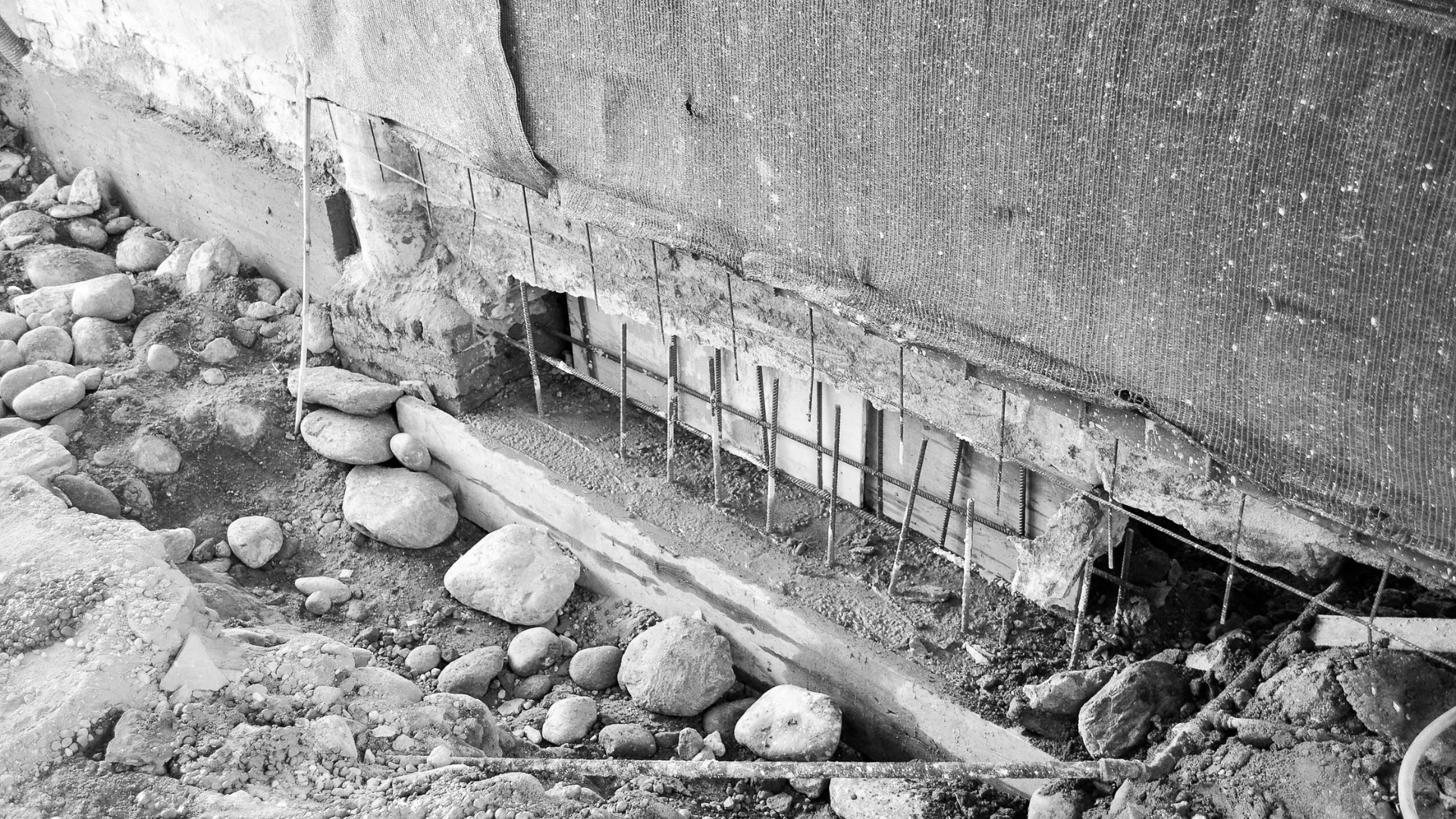
Having a low basement can really make it tricky to use that space the way you want to. Plus, with basement underpinning, you can sometimes turn a basement into a real showstopper by making it deeper and giving yourself more room to swing. Not to mention, many homeowners choose it to increase the ceiling height in their basement, simply lower the basement floor, or just add more basement living space. It can also help out by strengthening the existing foundation when more foundation support is needed. The right plan, of course, is going to depend on your home, the soil and the foundation you already have. A proper structural assessment will help you decide if underpinning is a good choice for your basement reno project.
Can You Make an Existing Basement Deeper?
Now, yes, you can sometimes make an existing basement deeper. This is typically done by lowering the basement floor and giving the foundation the support it needs to do its thing. A deeper basement can give you more room and even help increase the overall ceiling height. The work itself depends on a whole bunch of factors – the condition of the existing foundation, the foundation depth, the soil conditions and how much groundwater is around. You should do a structural assessment before you start, though – that way, you’ll know if your home is even suitable for basement lowering and what kind of underpinning method you may need.
When Do You Need Basement Underpinning?
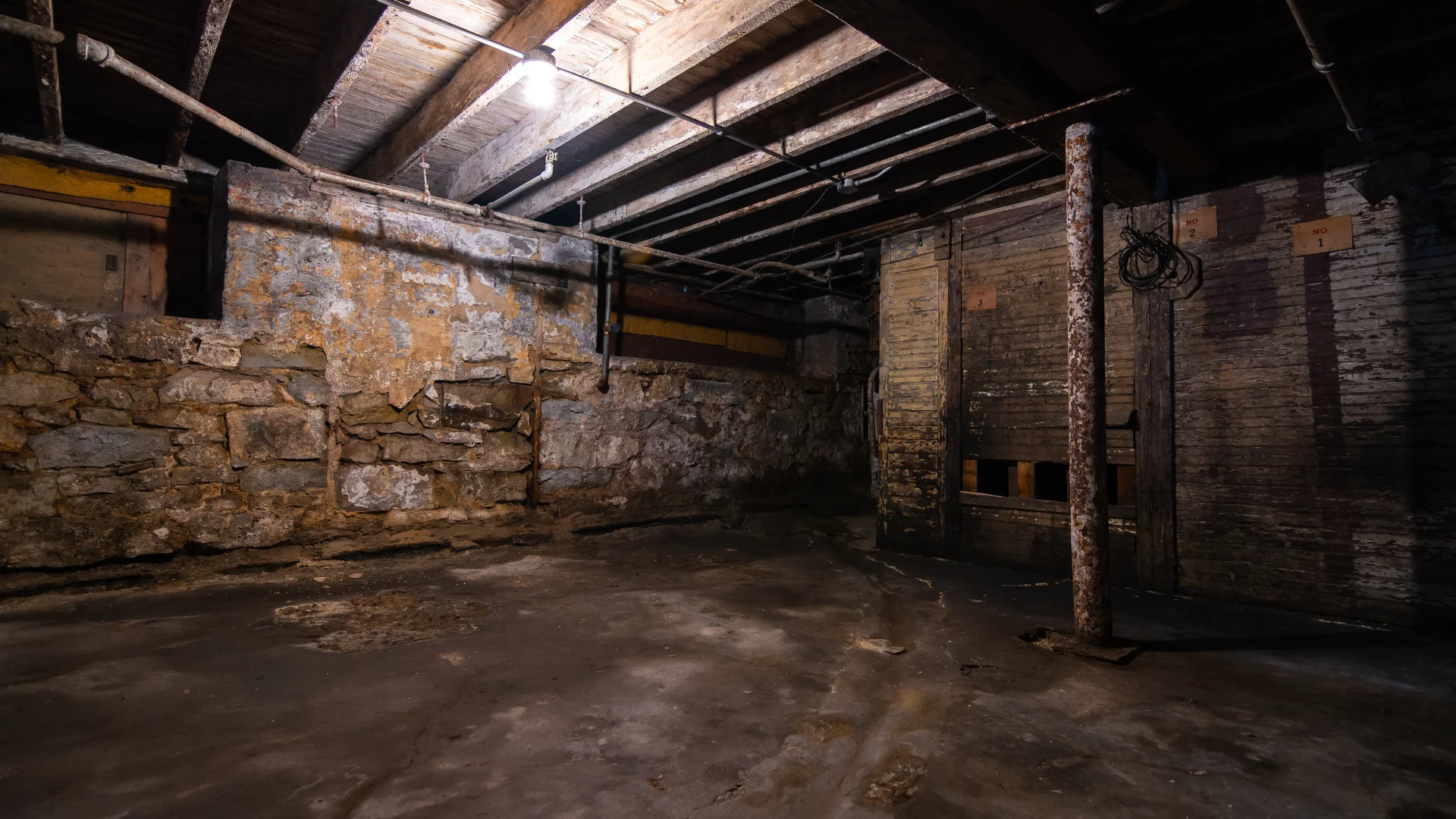
Basement underpinning may be the ticket when you want to lower an existing basement or create a deeper one. It can also help when an existing footing needs a bit more support. Some homeowners choose underpinning to increase the ceiling height in their basement and create more usable living space. It may also be needed when the foundation structure just can’t handle the weight. A foundation inspection can help you figure out the best solution for your home. The soil conditions, the foundation depth and the condition of the existing foundation all play a part in making the decision.
Basement Underpinning vs. Basement Floor Lowering
Basement underpinning and basement floor lowering may seem like related ideas but they’re actually different beasts. The table below makes it pretty clear what the difference is.
| Point | Basement Underpinning | Basement Floor Lowering |
|---|---|---|
| Main purpose | Gives the existing foundation more support | Makes the basement floor lower |
| Main work | Supports and may extend the foundation depth | Removes soil below the existing basement floor |
| Foundation | May involve work around the existing footing | May need foundation support if digging close to the footing |
| Basement height | Can help increase basement height | Can create more ceiling height by lowering the floor |
| Basement depth | Can help create a deeper basement | Directly increases basement depth |
| Soil removal | Soil may be removed in a controlled way | Soil removal is a main part of the work |
| Structural support | Structural support is a key part | Support may be needed based on the home |
| Common use | Foundation support and basement lowering | Creating more usable basement space |
Basement floor lowering can be part of a basement underpinning process when you want to create a deeper basement. A structural assessment can help decide which approach fits your home and its existing foundation.
How Does Basement Underpinning Work?
Basement underpinning is done step by step to keep your home safe while making the basement deeper. The work usually starts with a foundation inspection and structural assessment. Then the team will carefully dig out small bits of soil from under the existing footing, making sure to get all the soil out without damaging anything. Next, new support is added to give the new depth the extra strength it needs to keep the existing foundation stable while the work is going on. Once the new depth is ready, the basement floor can be built at the lower level. And it’s not just the excavation work that matters – drainage and groundwater are also checked to make sure the basement stays dry.
What Factors Affect Basement Underpinning in Newmarket?
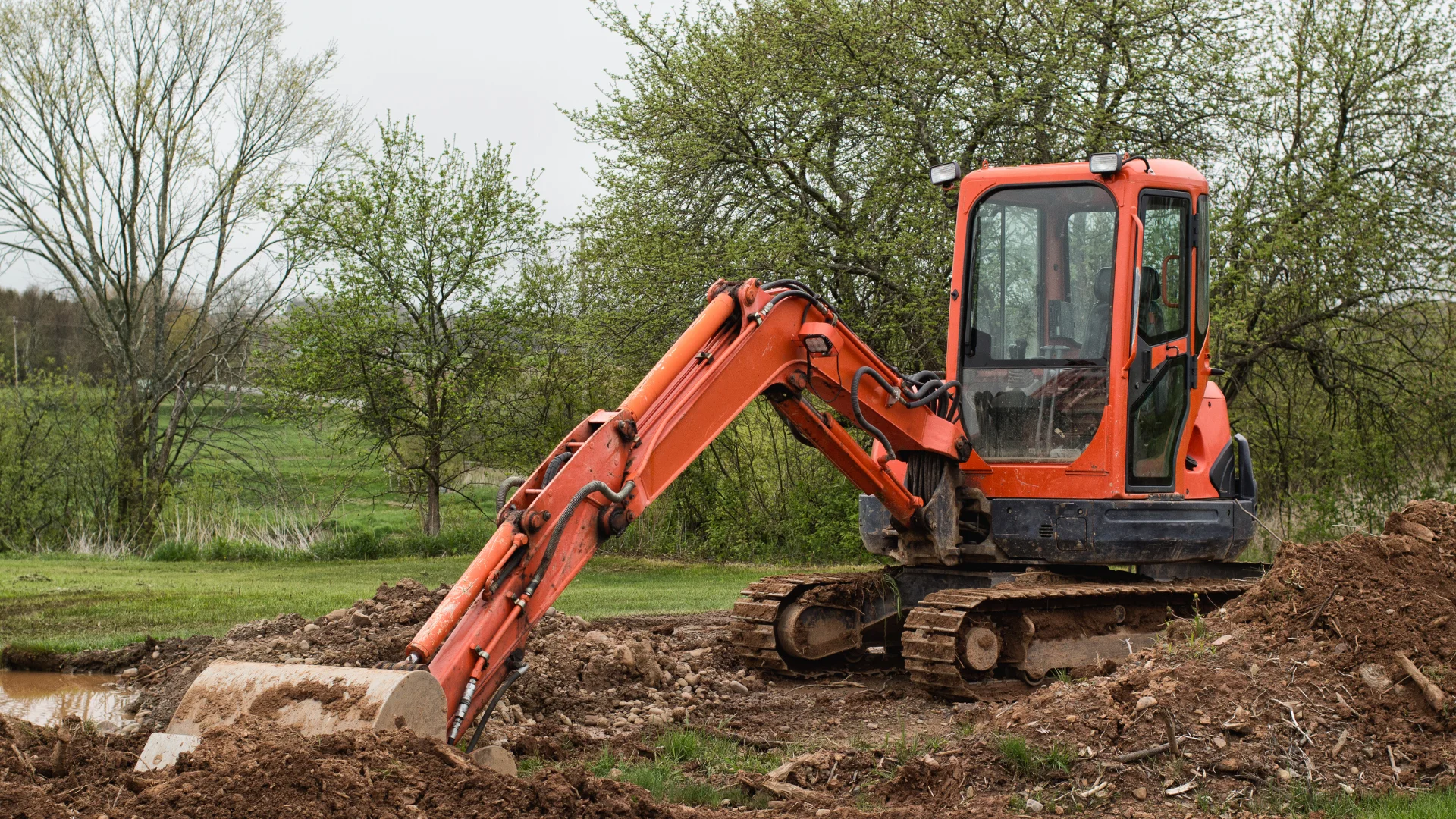
The thing is, every home is different, so the basement underpinning plan is likely to change from one house to another. The main factor that influences this is the state of the existing foundation – its condition, how deep it is and what kind of footings it has – all need to be checked before work can start. And then there’s the soil – the type and how much groundwater there is will have a big impact on the excavation work and how much drainage will be needed. Plus, load-bearing walls and the whole foundation structure need the right support to keep everything stable. A structural assessment can help figure out what work your home might need. Doing these checks upfront really makes it easier to plan a safe basement lowering and avoid any problems that might arise during the project.
How to Choose the Right Basement Underpinning Contractor in Newmarket?
If you’re thinking of hiring someone to do your basement project, here are some things to keep in mind before hiring a team:
- Check their experience: Look for a basement underpinning contractor Newmarket homeowners can trust, with experience in basement lowering and excavation work.
- Ask about foundation work: Make sure they know how to support the existing foundation and foundation footings during the project.
- Check permit requirements: Ask about the building permit and other permits needed before the work begins.
- Ask about drainage: Good drainage is important during basement lowering. Ask how they will handle groundwater and water around the foundation.
- Get a clear estimate: Make sure the estimate includes soil removal, excavation work, foundation support and other planned work.
- Compare local contractors: Check different basement underpinning services Newmarket homeowners can choose from. Look at their work, reviews and project plans.
- Choose a reliable team: A good Newmarket foundation contractor should give you a clear plan, answer your questions and keep you updated during the project.
If you are planning to do some basement underpinning or excavation in Newmarket, Monobuilt can help you figure out what needs to be done and make a plan that’s right for your home. Our team focuses on careful excavation and foundation work, so you can be sure we’ll get the job done right from the start. You can visit Monobuilt to see our services, and get in touch with us about your basement project.
Common Mistakes Homeowners Should Avoid
When it comes to basement underpinning, there are a few common mistakes to avoid — keeping these in mind can help keep your project safe and on track:
- Skipping a foundation check: Check the existing foundation, foundation footings and foundation depth before starting.
- Ignoring the soil: Soil conditions can affect excavation work. Groundwater should also be checked before digging.
- Starting without permits: Check the building permit and other permit requirements before work begins.
- Choosing only the lowest price: A cheap estimate may not include all the work. Check what is included before you decide.
- Forgetting about drainage: Good drainage helps keep water away from your basement and foundation.
- Hiring the wrong contractor: Choose a basement underpinning contractor Newmarket homeowners can trust and who has experience with foundation work.
- Not planning ahead: Decide how deep you want the basement and how you will use the space before starting your basement renovation project.
Is Basement Underpinning Right for Your Newmarket Home?
Basement underpinning might be the way to go if you want a basement that’s a bit deeper, more head room or just more living space. It’s also good when your existing foundation could use a bit of extra support – every house is different, after all. Things like the state of your foundation, the soil it’s built on, how deep it’s buried and how much groundwater is nearby can all play a big role in what kind of work you need. Getting a structural assessment done can help figure out if this is something that will work for your house. If you’re looking to lower the basement floor or just increase the height, start by getting a clear plan in place. A seasoned contractor can take a look at your place and let you know what kind of underpinning work will be best suited for the job.
Start Your Newmarket Basement Project With a Clear Plan
Basement underpinning lets you make better use of the space down there, have higher ceilings and a stronger foundation when it really needs it. But first you need to get a handle on things like the current state of your foundation, the soil it’s built on, how deep it’s buried, the state of the drainage and other things that need to be considered.

If you’re in the market for some basement underpinning work in Newmarket, Monobuilt is on hand to help with the digging and foundation work – our team works hard to get the job done right from the get-go.
Ready to make the most of your basement? Contact Monobuilt today to talk about your project and get things rolling.
Basement Underpinning in Newmarket: FAQs
-
What is basement underpinning in Newmarket?
Basement underpinning is basically a way of giving your existing foundation a bit more oomph and a bit more depth. It’s often used when people want to lower the basement floor, or just create a basement that’s a bit deeper. The work is done bit by bit to make sure the house is still standing. Having a look at the structural integrity of your place helps figure out the right way to go about things.
-
Can you make an existing basement deeper?
The good news is yes, you can sometimes make an existing basement a bit deeper. It’s usually a case of digging down a bit and then extending the foundation down to the lower level. How deep it can be depends on things like the state of your current foundation, the size of the footings, the soil conditions, how much groundwater is around and other things. Before you even start digging, a structural engineer should take a look at the place to make sure everything is safe to proceed.
-
How does basement underpinning work?
Underpinning the basement is usually a slow and careful process – workers remove a bit of soil below the existing footing, add some new support and then move on to the next section. As each section is done, the foundation stays stable. Once you’ve reached the depth you need, the basement floor can be lowered and rebuilt to the new level.
-
Do I need a building permit for basement underpinning in Newmarket?
Basement underpinning is pretty involved, so you need to double check the building permit requirements before you start. In Newmarket, the town says that any structural changes and basement finishing will need a permit, and you may also need some drawings and design work done. Make sure you get the approvals you need and check the local requirements before you start digging.
-
What factors affect basement underpinning?
There are a number of things that can affect the project – the state of the foundation, how deep it’s buried, the size of the footings, the soil, how much groundwater is around and the depth you want to reach are all things that need to be considered. The layout of your house can also play a big role in all of this. Getting a structural assessment done helps the team plan the work based on how things really are.
-
How much does basement underpinning cost in Newmarket?
There is no one price tag that fits all when it comes to basement underpinning. Your total bill can vary widely, depending on how big the job is – the size of your basement being a major factor – how deep you want to dig, how much soil needs removing, the kind of excavation work involved, the condition of the foundation itself, the state of the drainage system, and whether any specialist engineering expertise will be needed. A proper site visit and a clear estimate are your best way to get a realistic idea of what the costs will be.
-
When do you need basement underpinning?
You may need to have your basement underpinned if you want to lower an existing basement, squeeze in a bit more headroom, or give an existing foundation a bit more support – and things get more complicated when the soil supporting the foundation has changed. Getting a proper foundation inspection and structural assessment done is also a good idea, because that will tell you whether underpinning is actually the right thing to do for your home in Newmarket.

Monobuilt Editorial Teams
The Monobuilt Editorial Team creates clear, reliable content about excavation and construction projects across Toronto and the GTA. Our articles are based on industry experience and reviewed by excavation professionals to help homeowners, builders, and contractors make informed decisions about site preparation, foundation excavation, grading, trenching, demolition, and heavy equipment services.