 Monobuilt Editorial Teams
Table of contents
- What Is Site Preparation and Why Is It Important Before Building?
- Why Proper Site Preparation Matters for Homes in Thornhill
- Step-by-Step Site Preparation Process Before Construction
- Site Preparation Checklist for Homeowners in Thornhill
- Permits, Utility Locates and Local Requirements
- Common Site Preparation Challenges and How to Avoid Them
- Mistakes Homeowners Should Avoid Before Site Preparation
- Choosing the Right Site Preparation Contractor in Thornhill
- Frequently Asked Questions
Have you ever watched Grand Designs or Property Brothers and wondered how a beautiful home seems to come together so smoothly? What you do not always see is the work that happens before the first wall goes up. Every successful home starts with the ground beneath it. If that ground is not prepared properly, even the best design can run into costly problems later. That is why site preparation in Thornhill is one of the first steps homeowners should take seriously before building a new home, addition or custom project.
If you are planning to build in Thornhill, it helps to understand what happens before construction begins. Things like soil conditions, permits, grading, drainage and excavation all play a part in creating a safe and stable building site. This guide explains the complete site preparation process in simple terms, so you know what to expect, what to plan for and how to avoid common mistakes that can delay your project or increase costs. A little planning at the start can save you time, money and stress later.
What Is Site Preparation and Why Is It Important Before Building?
Site preparation is the work done to get land ready before construction starts. It includes checking the property, testing the soil, clearing the site, planning drainage, locating underground utilities and preparing the ground for foundation excavation. Proper site preparation in Thornhill helps create a safe and stable base before any building work begins.
Good site preparation services can help prevent delays, drainage problems and costly repairs later. They also make it easier to meet local building requirements and keep your project on schedule. Whether you’re building a custom home or an addition, proper land preparation, grading and excavation are the first steps toward a strong long-lasting foundation.
What Does Site Preparation Usually Include?
- Site inspection and planning
- Land survey and soil testing
- Building permits and utility locates
- Site clearing and demolition, if needed
- Grading and drainage planning
- Preparing the site for foundation excavation
Why Proper Site Preparation Matters for Homes in Thornhill
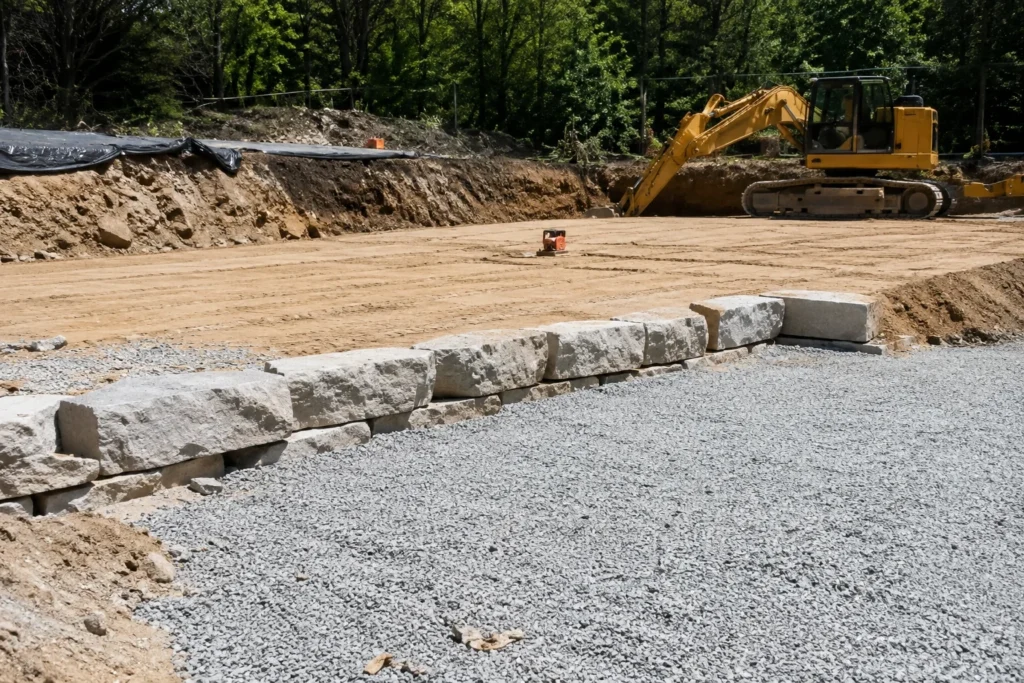
Building a home starts long before the foundation is poured. Every property has different soil conditions, drainage needs and lot layouts that can affect construction. Taking the time to prepare the land properly helps avoid problems that could slow down your project or increase costs later.
In Thornhill, some homes are built on older residential lots, while others are part of new developments. Before any excavation work begins, it is important to check the ground, review drainage, locate underground utilities and make sure the property is ready for construction. Proper land preparation gives builders a solid starting point and helps keep the project safe and on track.
Why It Matters
- Creates a strong base for the foundation
- Helps manage water and improve drainage
- Reduces the risk of soil movement and settling
- Supports safe foundation excavation
- Helps meet local building and engineering requirements
- Lowers the chance of delays and unexpected costs
A properly prepared building site gives homeowners greater peace of mind and helps every stage of construction move forward with confidence.
Step-by-Step Site Preparation Process Before Construction
Preparing a property for construction follows a clear process. While every project is different, these are the main steps completed before building begins.
1. Site Assessment
The first step is to inspect the property. Contractors check the lot size, slope, soil conditions, drainage, existing structures, trees and access for equipment. This helps identify any challenges before work starts.
2. Land Survey and Soil Testing
A land survey confirms property boundaries and elevations, while soil testing checks whether the ground can safely support the new structure. These reports also help engineers plan the foundation.
3. Permits and Utility Locates
Before any digging begins, the required building permits must be approved. Underground gas, water, hydro and communication lines are also marked to help prevent damage during excavation.
4. Site Clearing
The property is cleared of anything that may get in the way of construction. This can include trees, shrubs, debris, old fencing or existing structures that need to be removed.
5. Grading and Drainage Preparation
The ground is shaped to create the proper slope for water runoff. Good grading helps keep water away from the future foundation and reduces the risk of drainage problems.
6. Foundation Excavation
Once the site is ready, excavation begins according to the approved plans. The ground is carefully dug to the required depth, creating a solid base for the foundation and the next stage of construction.
Site Preparation Checklist for Homeowners in Thornhill
Before construction begins, taking care of a few important steps can help your project stay on schedule and reduce unexpected problems. Use this simple checklist to make sure your property is ready for excavation and foundation work.
Site Preparation Checklist
☐ Confirm your building plans are complete and approved.
☐ Apply for all required building permits.
☐ Schedule underground utility locates before digging.
☐ Complete a land survey, if needed.
☐ Arrange soil testing to check ground conditions.
☐ Remove trees, debris or old structures that are in the way.
☐ Review the grading and drainage plan for the property.
☐ Make sure there is enough space for excavation equipment to enter the site.
☐ Talk with your excavation contractor about the project timeline and site access.
☐ Check that the property is ready for foundation excavation before construction begins.
Completing these steps before work starts helps reduce delays, improves safety and gives your construction project a stronger start.
Permits, Utility Locates and Local Requirements
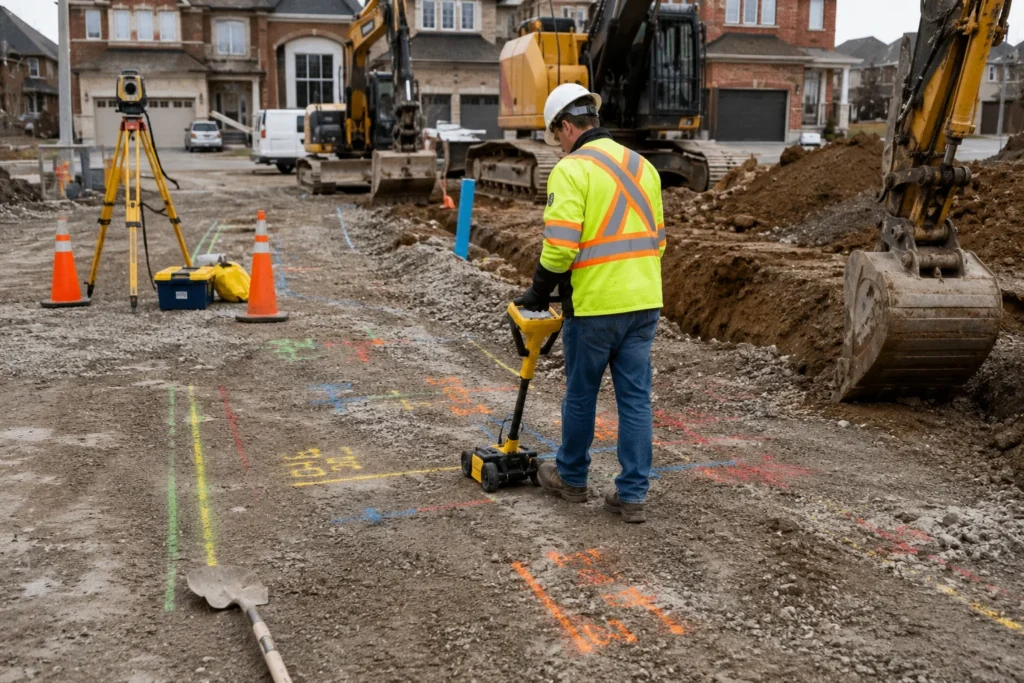
Before any excavation or construction begins, there are a few legal steps that must be completed. Taking care of these requirements helps protect your property, keeps workers safe and prevents costly delays.
Building Permits
If you’re building a new home, addition or making major structural changes, you’ll usually need a building permit. Your approved plans must meet local building and zoning requirements before work can begin.
Underground Utility Locates
Never dig without checking for underground utility lines. Gas, hydro, water, sewer and communication lines may be buried below your property. Having these utilities marked before excavation helps prevent damage, service interruptions and safety risks.
Grading and Drainage Requirements
Some projects require an approved grading or drainage plan to help manage rainwater and protect nearby properties. Proper grading also supports a stable foundation and helps reduce future water issues.
Local Requirements in Thornhill
Depending on where your property is located, your project may fall under the City of Vaughan or the City of Markham. Each municipality may have different permit processes, inspections and site requirements. Checking these requirements before work begins can help keep your project on schedule.
Working with an experienced excavation contractor can make the approval process easier and help ensure your project meets all local requirements before construction starts.
Common Site Preparation Challenges and How to Avoid Them
Even with careful planning, some challenges can come up before construction begins. Finding these issues early can save time, reduce costs and help keep your project moving forward.
Poor Soil Conditions
Not all soil is strong enough to support a new home. A soil test can identify weak or unstable ground before foundation work begins, allowing the right solution to be planned.
Drainage Problems
Water collecting around the building site can lead to foundation and landscaping issues. Proper grading and a good drainage plan help move water away from the future home.
Underground Utility Lines
Hidden gas, water, hydro or communication lines can delay excavation and create safety risks. Always arrange utility locates before any digging starts.
Limited Site Access
Some residential lots have narrow driveways, fences, mature trees or nearby homes that make it harder to bring in excavation equipment. Planning site access in advance helps avoid unnecessary delays.
Unexpected Obstacles
Old foundations, buried concrete, large rocks or tree roots are sometimes found during excavation. An experienced contractor can deal with these issues safely while keeping the project on track.
The best way to avoid these challenges is to plan ahead, complete the required inspections and work with an experienced excavation team that understands local site conditions.
Mistakes Homeowners Should Avoid Before Site Preparation
A few simple mistakes at the beginning of a project can lead to delays, extra costs and unexpected problems. Avoiding these common issues can help your construction project start on the right foot.
Starting Work Too Soon
Construction should never begin before permits are approved and underground utilities are marked. Skipping these steps can lead to legal issues, safety risks and project delays.
Skipping Soil Testing
The ground below your property plays a big role in how well your foundation performs. Soil testing helps identify problems before foundation excavation begins.
Ignoring Drainage Planning
Without proper grading, rainwater can collect around the future foundation. Planning drainage early helps protect your home from water-related problems.
Hiring Based Only on Price
The lowest quote is not always the best value. Look for an excavation contractor with local experience, the right equipment, proper insurance and a strong reputation for quality work.
Not Planning Site Access
Excavators, dump trucks and other equipment need enough room to enter and work safely. Limited access can slow down the project if it is not considered in advance.
Taking time to plan each step before excavation begins can help reduce stress, avoid costly surprises and keep your building project on schedule.
Choosing the Right Site Preparation Contractor in Thornhill
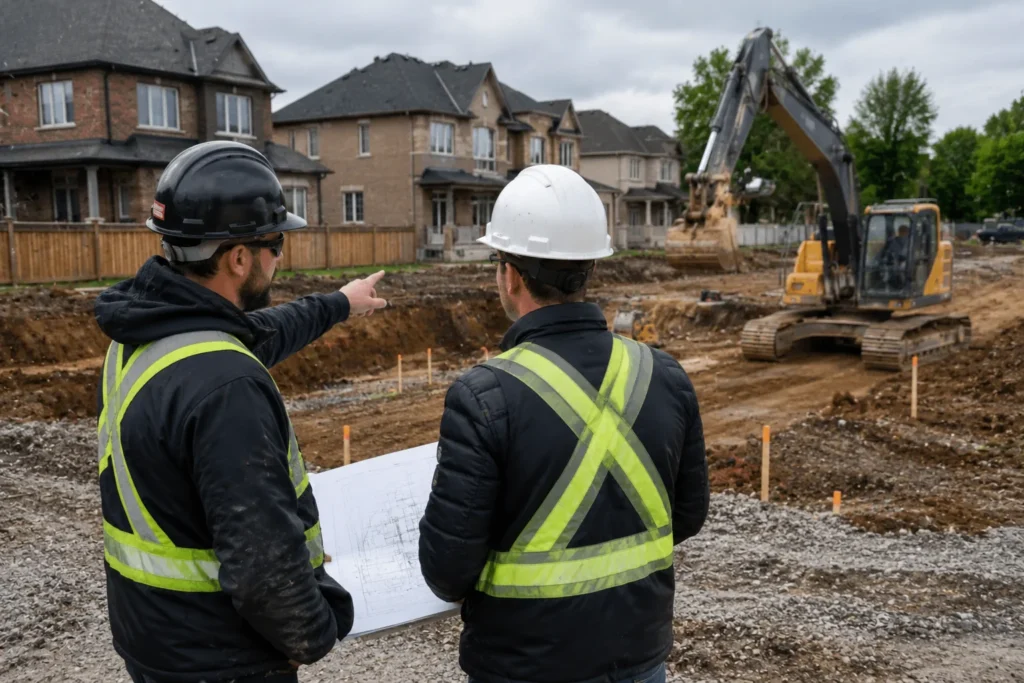
The right contractor can make the difference between a smooth project and one filled with delays. A reliable site preparation contractor will plan the work properly, communicate clearly and make sure your property is ready before construction begins.
Before hiring a contractor, look for:
- Experience with residential projects in Thornhill and the GTA
- Proper licences, insurance and safety practices
- Modern excavation equipment for different site conditions
- Clear quotes with no hidden costs
- Positive customer reviews and completed local projects
- Good communication from start to finish
A trusted excavation contractor should also work closely with builders, engineers and inspectors to help keep the project on schedule and meet local requirements.
Build Your Project on the Right Foundation
If you’re planning to build a home in Thornhill, working with an experienced team can save you time, reduce unexpected issues and give you confidence from day one. Monobuilt provides professional site preparation foundation excavation, grading and other excavation services across Thornhill, Toronto and the GTA.
Contact Monobuilt today +1 (647) 404-0670 to discuss your project and get your property ready for a successful build.
Frequently Asked Questions
-
What is site preparation before building a house?
Site preparation is the process of getting land ready before construction begins. It includes inspecting the property, testing the soil, clearing the site, locating underground utilities, planning drainage, grading the land and preparing the area for foundation excavation. Proper preparation helps create a safe and stable building site.
-
Do I need a building permit before site preparation in Thornhill?
Yes, most new home construction and major building projects require permits before work begins. Depending on your project, you may also need approvals for grading, demolition or other site work. Always check the requirements with your local municipality before starting excavation.
-
How long does site preparation usually take?
Most residential site preparation projects take anywhere from a few days to several weeks. The timeline depends on the size of the property, soil conditions, permit approvals, weather and whether demolition, tree removal or utility work is required before construction can begin.
-
Why is soil testing important before excavation?
Soil testing shows whether the ground can safely support your home’s foundation. It also helps identify drainage issues, groundwater levels and weak soil that may require additional work before construction starts. This can help prevent future settlement and structural problems.
-
What happens if underground utilities are not located before digging?
Digging without locating underground utilities can damage gas, hydro, water, sewer or communication lines. This may create serious safety risks, interrupt local services and lead to expensive repairs. Utility locates should always be completed before excavation begins.

Monobuilt Editorial Teams
The Monobuilt Editorial Team creates clear, reliable content about excavation and construction projects across Toronto and the GTA. Our articles are based on industry experience and reviewed by excavation professionals to help homeowners, builders, and contractors make informed decisions about site preparation, foundation excavation, grading, trenching, demolition, and heavy equipment services.