 Monobuilt Editorial Teams
Table of contents
- What Is the Difference Between Residential and Commercial Demolition?
- What Does the Residential Demolition Process Involve?
- What Does the Commercial Demolition Process Involve?
- Do You Need a Demolition Permit in Concord or Vaughan?
- What Factors Affect the Cost of Demolition?
- How Long Does a Demolition Project Take?
- How Should You Prepare Your Property for Demolition?
- How Do You Choose the Right Demolition Contractor in Concord Vaughan?
- Can Demolition Be Part of Site Preparation?
- Why Choose MonoBuilt for Residential vs Commercial Demolition ?
- Conclusion
- Frequently Asked Questions About Residential and Commercial Demolition
A demolition project can go off the rails right from the get go. Unclear costs, permit issues, bad site access and an incomplete plan can all lead to delays and nasty surprises. When it comes to residential vs commercial demolition, it’s not just a matter of size – equipment, safety, removing debris, site conditions, and planning are all key factors that can make a big difference.
If you’re ploughing ahead with a teardown or redevelopment project in Concord or Vaughan, this guide should help you plan things out a bit more smoothly. We’ll cover the main differences between residential and commercial demo work, permits, costs, timelines, the prep work you’ll need to do and what to look for in a demolition contractor.
What Is the Difference Between Residential and Commercial Demolition?
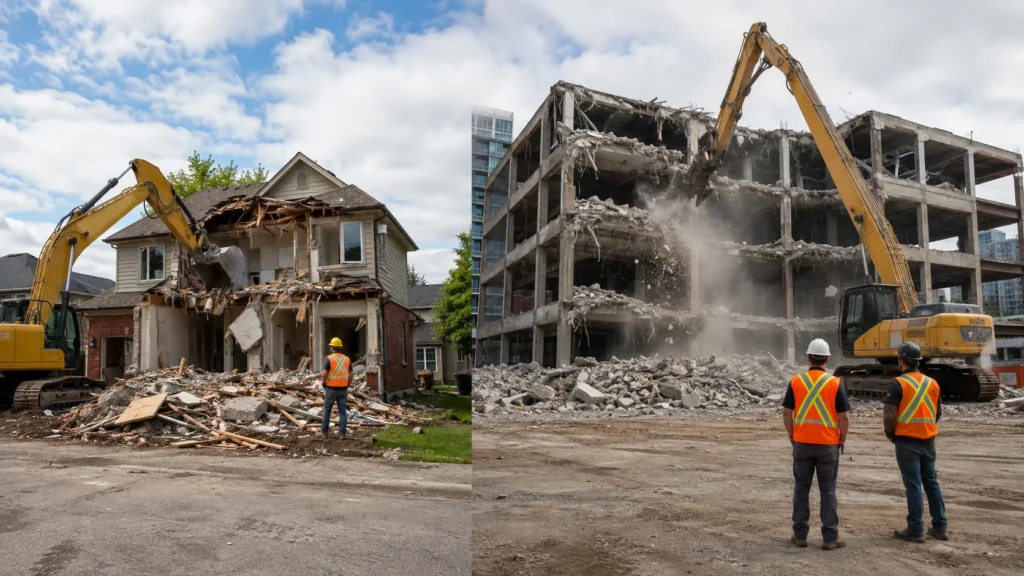
Residential vs commercial demolition is all about the type and size of the structure you’re dealing with, the scope of the project, the state of the site, the equipment you need and the level of planning involved. Residential demolition typically involves tearing down homes, garages and the like whereas commercial demo work can involve offices, retail buildings, warehouses and bigger properties. Both need careful planning, safe work practices, decent site access and proper waste disposal.
Ultimately the right demolition approach is going to depend on the site and what you plan to do afterwards. Tearing down a house might just involve clearing a residential plot for the new build whereas a commercial project may require more complex coordination around equipment, access, nearby structures, and construction schedules. For property owners in Concord and Vaughan, understanding these differences can help set realistic expectations for the demolition process and the work needed to prep the site for the next stage.
What Does the Residential Demolition Process Involve?
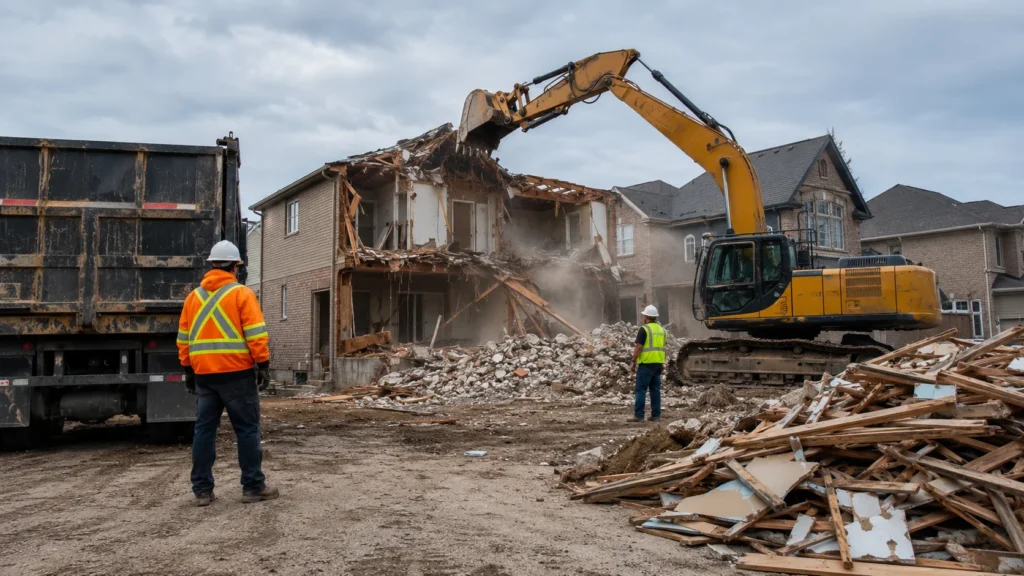
Residential demolition is more than just pulling down a house – it involves planning the work, getting the property ready, safely removing the structure, dealing with the demolition waste and leaving the site ship-shape for whatever comes next. The exact steps can vary a lot depending on the property, the structure, the access and the job requirements.
1. Property Assessment, Permits and Site Preparation
Before any work starts the contractor will review the property, the demolition scope, site access, nearby buildings and working space. You’ll need to sort out the permits and project paperwork before you start – and the property may need some prepping, removing items you want to save, planning equipment access and dealing with utility issues.
2. Safe Structure Removal
Once you’ve got the site ready demolition starts with the right equipment for the job and the site conditions. We’re taking a planned approach to keep both workers and nearby properties safe as well as the surrounding area while the structure is taken safely down.
3. Debris Removal and Site Cleanup
Once the structure is gone, the demolition waste is collected, loaded and taken away according to what you agreed on. The site is then cleared and prepped for the next stage, whether that’s construction, excavation or other site work.
For homeowners in Concord and Vaughan considering either residential or commercial demolition, even if the structure is small it still pays to get the planning right. Having a clear scope, the right equipment, safe work practices and a good cleanup will help keep the whole project on track from start to finish.
What Does the Commercial Demolition Process Involve?
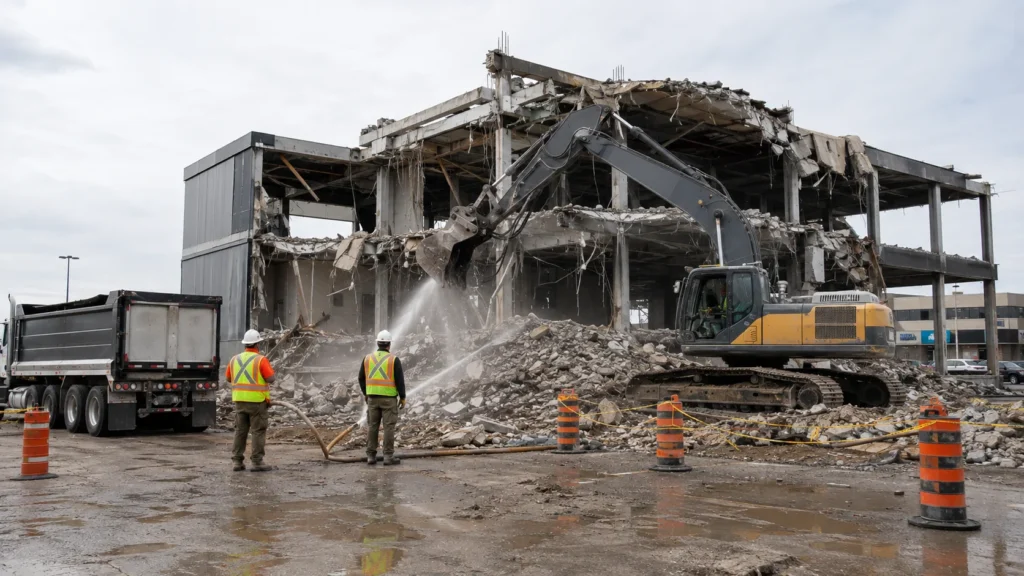
Commercial demolition typically involves pretty big buildings or pretty complicated sites, so you need to have a solid plan in place, get all your ducks in a row on site and have the right gear. Depending on what you’re trying to accomplish the process can actually break down into full-on building demolition, taking down just part of the building, or just doing interior demo work.
1. Site Assessment, Permits and Preparation
Before anything gets underway the contractor will walk through the site and take stock of the building, the surrounding area, the access points, and the nearby buildings to see if any of those might be at risk. They also need to make sure they’ve got all the necessary permits and project documents in order. Sometimes the site will also need a little prep work to make sure the equipment fits as well as making sure the work areas are safe and the utilities are all sorted out.
2. Controlled Building Removal
The demolition crew follows a carefully laid out sequence that makes sense for the building and the specific work that needs doing. They’ll pick the right gear for the job based on the building, the access, and the working conditions. If you’re talking full demolition you just keep taking the building down bit by bit, but if you’re doing selective or interior demos you’re only actually taking down or ripping out the bits that you need to.
3. Debris Removal and Site Cleanup
Once the building’s been torn down the next thing is to sort out all the debris. That means collecting it up, carting it away and getting the site tidied up to the point where you can do whatever comes next – which might be excavation, grading, or just getting ready for the next stage of the construction process to start.
Its worth noting residential demolition is often a whole lot simpler than commercial, mainly because the sites are much smaller. But on a commercial site you’ve got a lot more moving parts to keep track of, and a clear plan is what keeps everyone on the same page from demo through to the next stage.
Do You Need a Demolition Permit in Concord or Vaughan?
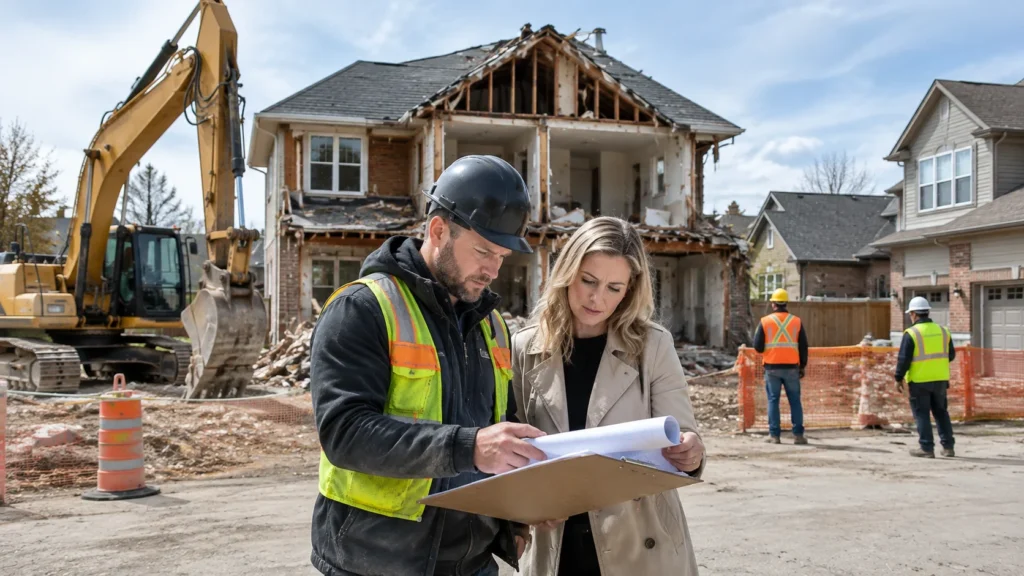
Yes. In Vaughan, a building permit is required before the demolition of a building begins. Ontario’s Building Code Act also requires a permit before a building is demolished. This applies to both residential and commercial demolition, so property owners should confirm the permit requirements before scheduling demolition work.
Also Read :- Do You Need a Demolition Permit in Concord, Vaughan?
What Factors Affect the Cost of Demolition?
The cost of demolition depends on the property, project scope, site conditions, and work involved. There is no single price for every residential or commercial demolition project in Concord or Vaughan. A small house teardown can have very different requirements from a large commercial building, so a site assessment is important before preparing a reliable quote.
| Cost Factor | How It Can Affect the Cost |
| Property Size and Structure | Larger or more complex buildings may require more labour, equipment, time, and debris removal. |
| Site Access | Narrow driveways, nearby buildings, overhead obstacles, or restricted work areas can make equipment access and material handling more difficult. |
| Equipment and Labour | The equipment and crew required depend on the building type, demolition method, project size, and site conditions. |
| Debris Removal and Disposal | The amount and type of demolition debris, hauling requirements, and disposal arrangements can affect the overall cost. |
| Permits and Documentation | Required permits, supporting documents, engineering requirements, and other project needs may add to the overall budget. |
| Site Conditions | Existing ground conditions, surrounding structures, restricted access, and additional preparation can affect labour, equipment, and project time. |
| Project Complexity | Full demolition, selective demolition, interior removal, and projects with special site requirements may have different costs. |
How Long Does a Demolition Project Take?
A demolition project – you’d be surprised – can take anywhere from a split second for a tiny little shack to months on end for a massive, sprawling complex. To be blunt, there’s no such thing as a ‘standard’ timeline for knocking down a house or an office building – the clock starts ticking once you consider all the factors at play: the building itself, the state of the site, what prep work needs doing, the gear you’ll need, the permits you’ll need to get, the mess you’ll have to clear up, and just how big the whole project is going to be.
What Affects the Demolition Timeline?
There are a number of things that can play havoc with how long a residential or commercial demolition project takes. Here are some of the major ones:
| Factor | How It Affects the Timeline |
| Building Size and Structure | Larger or more complex buildings usually require more time to remove safely. |
| Type of Demolition | Full demolition, selective demolition, and interior demolition can have different timelines. |
| Site Access | Narrow spaces or limited access can slow equipment movement and debris removal. |
| Permits and Preparation | Required permits, documentation, utility coordination, and site preparation should be completed before work begins. |
| Equipment and Labour | Suitable equipment and an experienced crew can help keep the work moving efficiently. |
| Debris Removal | The amount of debris and hauling requirements can add time to the project. |
| Surrounding Conditions | Nearby buildings, tight work areas, and other site restrictions may require extra planning and care. |
Is Commercial Demolition Slower Than Residential Demolition?
Not necessarily. Just because a commercial place might be bigger and more complicated doesn’t mean the project will take weeks longer than a residential one. It all depends on what you’re dealing with. A small office building might get knocked down in 2 weeks, and a big house with bad access might take 3 months – it’s not a one size fits all situation.
How Can You Help Keep the Project on Schedule?
As an owner, the things you can do to help are pretty simple : get clear on the scope of the project early on, make sure you’ve got all the permits sorted out, get rid of anything you don’t want to lose, and make sure the people you hire have a clear path to get in and do their job without any hassle. Having an open conversation with the contractor about how you’re going to get rid of the debris, and what happens next after the demolition is done can also save a lot of headaches down the road.
In areas like Concord or Vaughan, the best thing you can do is have someone take a good hard look at the site – a demolition pro can review the property, tell you what needs to be done before you can even start, and – if you’re lucky – maybe even sort out a realistic timeline for you.
How Should You Prepare Your Property for Demolition?
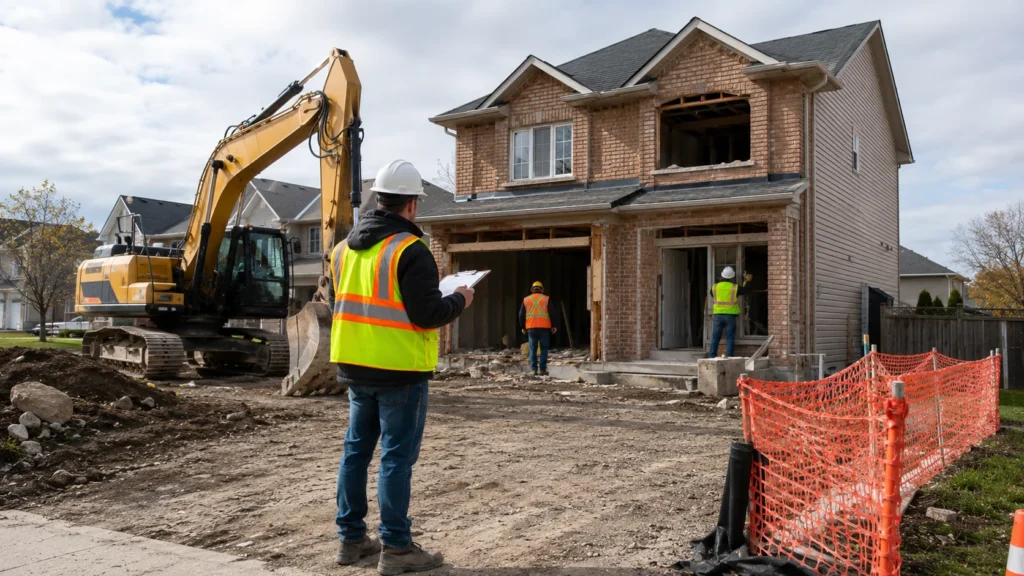
Demolition projects can be a nightmare if you’re not prepared – delays, accidents and just plain chaos. But with some careful planning, you can help your chosen contractor get off to a flying start. Before they even put a pickaxe to the wall, you’ll need to think about the scope of the work, what permits and paperwork they need to get, how they’ll access the site and sort out utility connections.
1. Confirm the Demolition Scope
This might sound obvious but it’s worth double checking – you don’t want to get halfway through the job and realise that the contractor had a different idea about which bits of the building go and which stay. This is especially important if you’re doing a partial or selective demolition – you’ll need to identify which bits have to be kept intact.
2. Check Permits and Required Documents
Make sure your contractor has all the necessary permits and documents – and double check that they’re up to date with any local regulations in your area (so if you’re in Concord or Vaughan for example, you’ll need to check the current requirements for demolition work).
3. Clear Items You Want to Keep
This is the perfect time to get rid of any old furniture or equipment that’s just taking up space – clear the decks so to speak. If there’s anything you want to keep, make sure you tell the contractor – they can keep it safe for you if needed.
4. Plan Equipment and Site Access
Demolition equipment – and the lorries that come with it – needs a clear run to the demolition site – so make sure your driveways and access points are clear. And if you’re worried about the equipment getting stuck in tight spaces or knocking things over, have that conversation with the contractor before they start work.
5. Address Utility Coordination
Just because the building looks empty, don’t assume the utilities have been switched off – unless you’ve specifically confirmed that they have been, which you should do with the contractor before they start work.
6. Discuss Debris Removal and Cleanup
Find out from the contractor how they’ll get rid of the demolition debris, how it’ll get loaded and taken away, and what kind of site clear up you can expect at the end of the project. You don’t want to be left with a building site and a lot of mess to sort out on your own.
7. Plan for the Next Construction Stage
If you’re planning on rebuilding or doing some other work on the site, have a chat with the contractor about how they can help with that. Getting the site clear and ready for the next stage of work will make life a lot easier for everyone.
In places like Concord and Vaughan, getting your property ready for demolition in advance can make a real difference – it helps the contractor get on with the job and means you can avoid any of the headaches that come with demolition work. So take the time to get it right and you’ll thank yourself in the end.
How Do You Choose the Right Demolition Contractor in Concord Vaughan?
The right demolition contractor can make all the difference between a well-run project that stays on track and one that’s plagued by delays, safety hazards, and hidden costs. When it comes to residential vs commercial demolition, it’s a mistake to just go for the lowest price – you’ve got to look beyond the bottom line. Take a close look at the contractor’s experience, what they’re planning to do, the gear they’ll be using, how they plan to keep things safe, how they’ll deal with the debris that gets left behind, and how well they can handle the quirks of your property.
Check Relevant Demolition Experience
Experience is key when you’re looking for a demolition contractor. But that doesn’t just mean experience in general – you want someone who’s got specific experience with your kind of project. A house teardown is a lot different from taking down a commercial building, or doing a renovation, or tearing down an abandoned factory. Ask about their experience, and ask about the kind of buildings they’ve worked on.
Confirm the Scope of Work
A good quote from a demolition contractor should tell you exactly what you get for your money. It should spell out what they’re going to tear down, what they’re going to leave standing, what equipment they’re going to use, how they’re going to get rid of the debris, who’s going to clean up the site, and what’s not included. The clearer the scope of work, the easier it is to compare contractors side by side.
Ask About Permits and Safety
Ask the contractor about the permits they need to get things done, and who’s responsible for sorting that out. You also want to know how they plan to keep everyone safe on site, how they’re going to move equipment around without causing a problem, how they’ll avoid damaging anything nearby, and all the other stuff that could go wrong.
Review Equipment and Site Access
The contractor you choose should have the right equipment to get the job done safely and efficiently. Discuss with them whether that means they’ll need to bring in special gear because of how narrow the access is, or how high the obstacles are, or how tight the working space is. And they should also be able to get in and out of the site without causing trouble for anyone nearby.
Understand Debris Removal and Cleanup
When it comes to getting rid of the debris, you want to know exactly what the contractor is going to do with it – are they going to haul it away, are they going to dispose of it themselves, and are they going to clean up the site afterwards? It’s a good way to avoid getting hit with a bunch of surprise costs after the demolition is done.
Compare Quotes Carefully
Don’t just compare the final price from each contractor – that’s the most obvious thing. Take a closer look at what each one includes, what the timeline is going to be, what the scope of work is, how they’re going to handle the debris, and what’s not included. A quote that’s a little more detailed is always going to give you a lot more to work with when you’re trying to make a decision.
For people in Concord and Vaughan, it can be a real plus to find a contractor who not only knows the ins and outs of demolition but also has some experience with site prep and what comes next. That way, you can get a clear plan from the demolition all the way through to having a clean, workable site.
Can Demolition Be Part of Site Preparation?
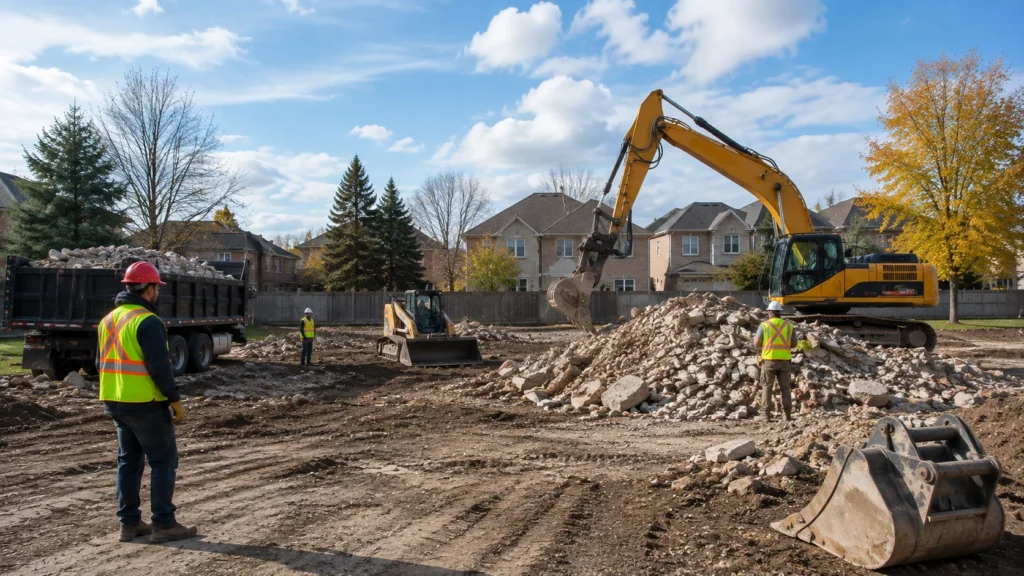
Yes – demolition can be a key first step in getting a property ready for new construction, redevelopment, excavation or whatever comes next. Once the old building is gone, you often still need to get rid of the debris, clear the land, bring the grading up to snuff, do some excavation or whatever else needs doing before you can move on to the next stage.
How Does Demolition Connect to Site Preparation?
A typical project may move through these stages:
- Demolition: The existing structure is safely removed according to the project scope.
- Debris removal: Demolition materials are collected, loaded, and removed from the site.
- Property clearing: Remaining unwanted materials or site obstructions are cleared as required.
- Grading and levelling: The ground may need to be levelled to support the next phase of work.
- Excavation: Depending on the construction plan, excavation may be needed for foundations or other site requirements.
- Build-ready preparation: The site is prepared for the next construction stage based on the project requirements.
Why Coordinate Demolition and Site Preparation?
Planning these stages out together can make it easier to get on and off the site, cut down on delays and get everything moving in the right direction. Plus, it gives the property owner, the contractor and everyone else a clear idea of what comes next after the old building is gone.
When it comes to residential or commercial demolition jobs in Concord and Vaughan, the next stage is going to depend on the property and what the construction plan looks like. A house teardown might lead to building a new home, while a commercial demolition could lead to something a lot bigger like a redevelopment project. Coordinating demolition with site prep, excavation, clearing the land and grading can really make the transition to the next phase smoother.
Why Choose MonoBuilt for Residential vs Commercial Demolition ?
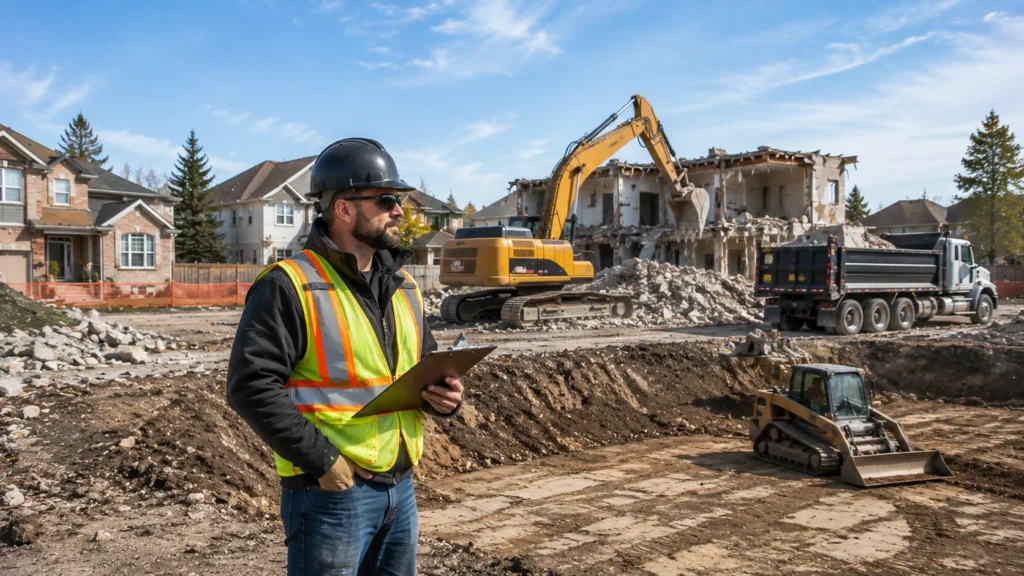
A demolition project usually doesn’t wrap up once the building comes down – you’ve still got to clear the property, get rid of the debris, maybe do some grading or excavation before you can start building again. That’s where MonoBuilt comes in – we do construction and site preparation services for people who own property, builders, and developers in Toronto and the GTA. We try to tie the demolition work into the next stage of a project.
When it comes to residential vs commercial demolition in places like Concord and Vaughan, project needs can vary a lot depending on the building itself, how easy it is to get to the site, and what the construction plans are. MonoBuilt can help out with the whole site preparation process – that means clearing the land, getting it graded and levelled, doing some excavation, removing and hauling away any soil, and getting the site ready to build on. Which makes it a heck of a lot easier to plan the whole property from demolition through to the next stage of construction.
Conclusion
Residential demolition and commercial demolition are pretty different – they differ in size, planning, equipment, costs, and what they need on site. Getting permits sorted, doing the demolition safely, getting rid of the debris and getting the site ready to go – all of that can help keep your project on track.
If you own a property in Concord or Vaughan, working with a good contractor can make a big difference to the process. MonoBuilt can help with the demolition and site prep for the next stage of construction – and if you’re planning a demolition project, get in touch with us to discuss your project needs.
Frequently Asked Questions About Residential and Commercial Demolition
-
What is the difference between residential and commercial demolition?
Residential demolition is usually about homes, garages and smaller residential buildings – commercial demolition can involve offices, retail spaces, warehouses and bigger properties. Commercial projects usually require more complex site coordination, more equipment, better access planning and scheduling.
-
Do you need a demolition permit in Vaughan?
Yes, you definitely need a building permit before you start demolition work in Vaughan. The exact requirements can depend on the property and what you’re trying to do with it – so it’s a good idea to check in with the City of Vaughan before you go ahead and book the demolition.
-
How much does residential demolition cost in Vaughan?
The cost of demolishing a house in Vaughan can vary a lot depending on the size of the property, how accessible it is, what equipment you need, how much labour is involved, how much debris you have to get rid of, how much it costs to dispose of it, the permits you need to get, and the state of the site. There’s no one-size-fits-all price – so a site assessment is definitely the way to go for a real quote.
-
How much does commercial demolition cost?
Commercial demolition costs depend on the size of the building, how you plan to take it down, how easy it is to get to the site, how much equipment is needed, how much labour is involved, how much debris is produced, how you plan to dispose of it, and how complex the project is. A good quote should break down what’s included so you can compare contractors on a level playing field.
-
How long does a demolition project take?
It really depends on the building, how big the project is, how easy it is to get to the site, how much prep is needed, the permits you need to get, the equipment you’re using, how much labour you have on site, and how much debris you have to get rid of. A contractor should be able to give you a pretty realistic idea of what to expect once they’ve assessed the property.

Monobuilt Editorial Teams
The Monobuilt Editorial Team creates clear, reliable content about excavation and construction projects across Toronto and the GTA. Our articles are based on industry experience and reviewed by excavation professionals to help homeowners, builders, and contractors make informed decisions about site preparation, foundation excavation, grading, trenching, demolition, and heavy equipment services.